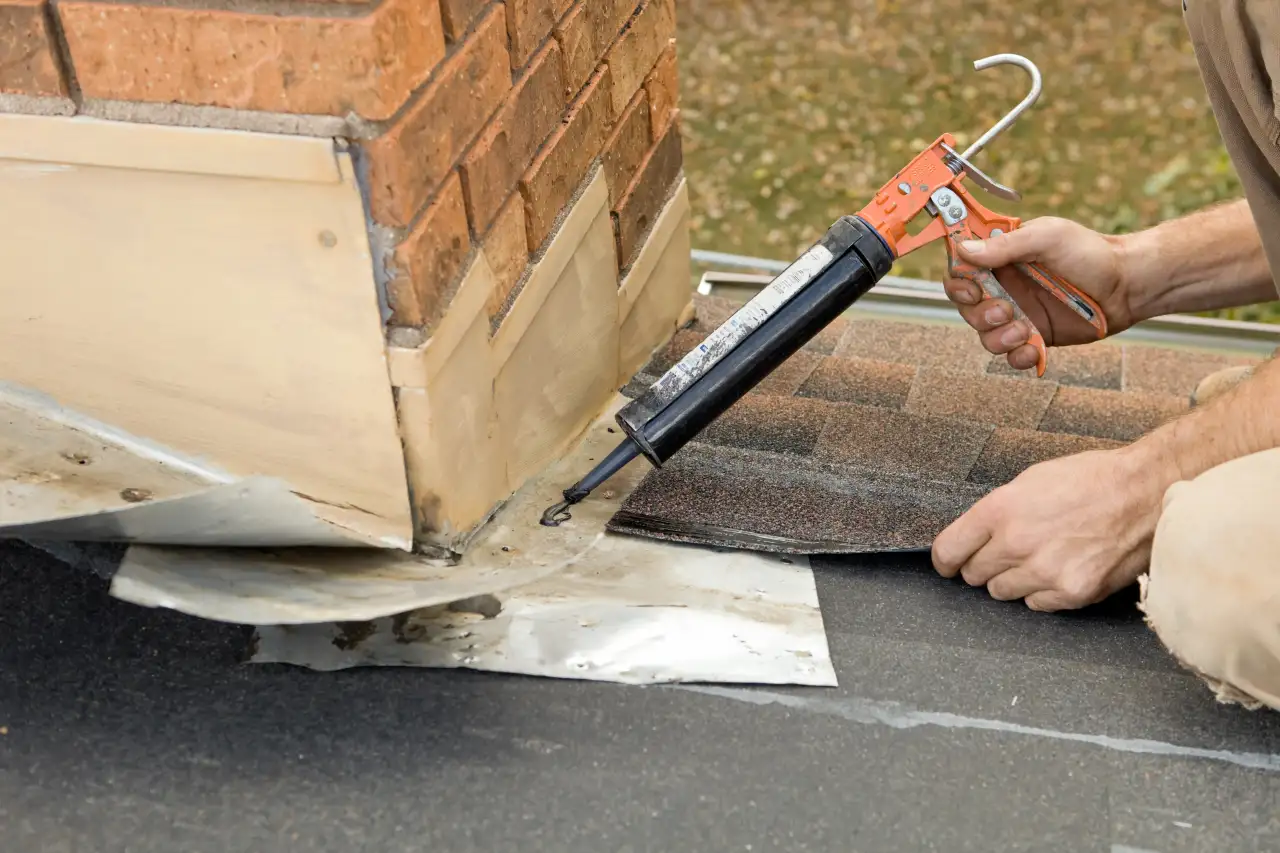
Expert lead flashing repair and replacement. Step, apron, valley and chimney flashing fitted to British Standards.
0118 408 0811

What do you need help with?
Which service do you need?
How urgent is this?
Almost there!
We'll review your details and get back to you within 24 hours.
Lead flashing forms the watertight seal where your roof meets walls, chimneys, dormers and other structures. When flashing fails, water gets into the building. It is one of the most common causes of roof leaks and one of the most frequently misdiagnosed.
We use code 4 and code 5 lead sheet to British Standards on every job. Whether you need a simple re-dress, a repointed chase or a full strip and replacement, we get it right first time.
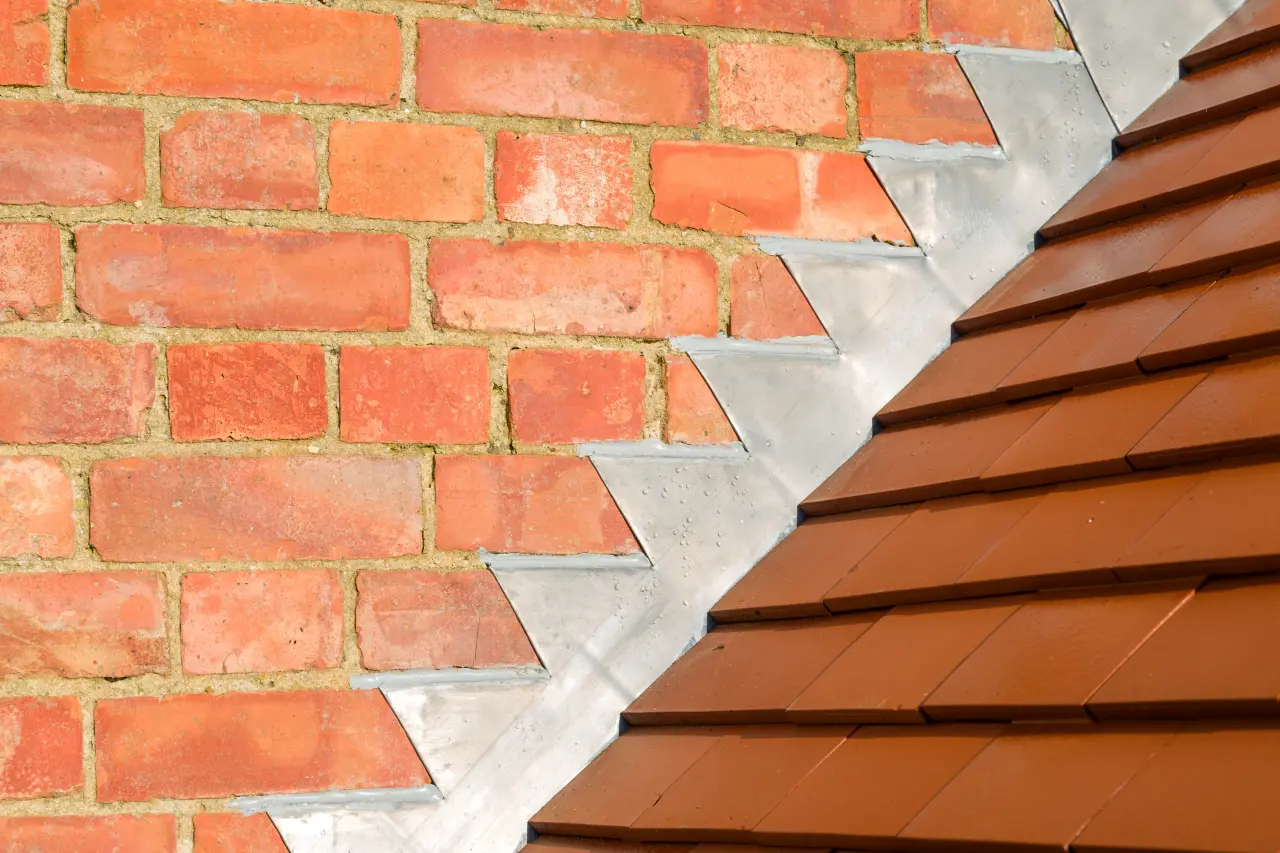
We carry out all types of lead flashing work, from minor repairs to complete replacements.
Individual stepped pieces fitted where a pitched roof meets a side wall. Correctly sized, dressed and pointed into chased mortar joints for a lasting seal.
Continuous lead pieces fitted where a roof slope meets a wall at the bottom, such as above a lean-to or conservatory. Properly lapped and sealed.
Lead-lined valleys where two roof slopes meet. Correctly formed with splash laps and anti-capillary grooves to handle heavy water flow.
Front aprons, side stepped flashing and back gutters around chimney stacks. One of the most common areas for flashing failure.
Hidden soakers fitted beneath tiles or slates at abutments, working with the step flashing to create a double line of defence against water.
Complete strip and re-flash using new code 4 or code 5 lead. All joints properly lapped, dressed and pointed for decades of weathertight performance.
Lead flashing deteriorates over time. Look for these warning signs:
Failed flashing is one of the most common causes of persistent roof leaks. Get a free inspection if you have spotted any of these signs.
Properly installed lead flashing typically lasts 50 to 100 years or more. However, poorly installed flashing, the wrong code of lead, or failure to maintain the mortar pointing can cause premature failure. If your flashing was done cheaply or as a quick fix, it may need replacing much sooner.
It depends on the condition. If the lead itself is sound but the mortar pointing has failed, we can re-point the chases and re-dress the lead. If the lead has cracked, corroded or been previously patched with sealant, a full replacement is usually the better option for a lasting result.
The code number refers to the thickness of the lead sheet. Code 4 (1.8mm) is the standard for most step and apron flashing applications. Code 5 (2.24mm) is thicker and used for valleys, back gutters and areas subject to higher water flow or thermal movement. We use the correct code for each application.
Common causes include thermal movement causing the lead to crack, mortar eroding from the chase allowing the lead to pull out, incorrect installation (too thin, wrong laps, poor dressing), or previous repairs using sealant or cement which trap water behind the flashing.
Costs vary depending on the length, location and type of flashing needed. A small section of step flashing is relatively affordable, while a full chimney re-flash with scaffolding will be more. We provide free inspections and written quotes so you know the cost upfront.
There are synthetic flashing products on the market, but none match the longevity and performance of traditional lead. We always recommend lead for permanent installations. For temporary or budget repairs, we can discuss the options with you, but lead remains the industry standard for good reason.
Fill out our quick form and we'll get back to you within 24 hours with a free, no obligation quote.
Start QuoteCall our friendly team for immediate advice. We're available 24/7 for emergencies.
Call 0118 408 0811